
Sightseeing in Hanoi, Vietnam: Places to visit in
things to do

Sightseeing in Hanoi is a journey of history, culture, and street life. Hanoi is not one of those cities that want to impress you with everything it has at once. It reveals itself slowly, through quiet corners, and stories that unfold slowly. As the capital of Vietnam, Hanoi is rich in history, but it is never a museum kind of city. It is always living, breathing, and personal. Visiting Hanoi is not just about moving on to one tourist attraction after another. It is always about taking a walk or sitting, observing, and slowly getting an idea of how past and present are linked there.
The charm of Hanoi also rests in its balance of modern and traditional. There are ancient temples side by side with modern cafes. The street vendors operate in the same proximity as historical buildings. The lifestyle of the people also progresses but never forgets its roots. When one takes the time to adjust to the rhythm Sightseeing in Hanoi becomes an experience of connecting rather than mere location checking. And it’s not just Hanoi Vietnam is filled with many other beautiful destinations for sightseeing, such as Halong Bay, Hoi An, Ho Chi Minh City, Sapa, and Da Nang.
If you are planning a trip to Vietnam, check out the detailed Vietnam itinerary.
Places to Visit in Hanoi
Hanoi is one of those cities that quietly gets under your skin. Start with Hoan Kiem Lake, especially in the early morning when locals are doing tai chi by the water and the city hasn’t fully woken up yet. The Old Quarter is a maze of narrow streets, each one historically dedicated to a specific trade, and it’s still very much alive with shopkeepers, street food vendors, and the constant hum of motorbikes. Don’t skip the Temple of Literature, which gives you a rare moment of calm and a real sense of Vietnam’s deep respect for education and history. Ho Chi Minh Mausoleum, the Vietnam Museum of Ethnology, and the iconic Long Bien Bridge are all worth your time, too. Hanoi rewards the slow traveler — the more you wander without a plan, the more it reveals itself.
Old Quarter: The Heart of Hanoi

The Old Quarter is where the heart and soul of Hanoi reside. This is a destination where a single visit is not enough. You are drawn into this experience, and all your senses are engaged. Motorbikes, vendors, and merchants throng the narrow streets. It can feel quite confusing and chaotic at first, but then all the action becomes coherent. Every street in the Old Quarter has its own history. Back in the day, the streets were labelled based on the commodities that were sold. And to date, one can still see some signs of those long-lost occupations.
There are small businesses owned by local families side by side with culinary vendors who are serving their specialities for many years. Consumers sit on their chairs as they take their tea or breakfast without qualms, even as they are surrounded by many people. Taking a walk through the area will teach one to be patient and observant. Coming to the Old Quarter is also the best way to sit back and observe. Take a seat at a small café, sit back, observe the activity on the streets, and you will see how well everything is running together despite the noise. In this area, the actual spirit of Hanoi is expressed—active, hardworking, and colourful.
Sightseeing in Hanoi-Hoan Kiem Lake

Hoan Kiem Lake is the heart of Hanoi. The Old Quarter of the city reflects the dynamism of Hanoi, but Hoan Kiem Lake reflects the serenity of the city. The lake is shaded with trees and walkways, and the place feels like a peaceful interlude within the heart of the bustling city. Locals go here on a regular basis, not as visitors but as locals. Morning. The lake is very calm and gentle in the early mornings. People walk around slowly, perform their exercises, or simply sit along the lake.
The place becomes more alive as the day progresses, though there is no rushed atmosphere. Late afternoons are a place where people gather to unwind after a long day. The red bridge where people cross to reach the small temple on the lake adds to its beauty and significance, especially when it is lighted at night. Spending time in Hoan Kiem Lake is one way that you will appreciate balance in Hanoi. It is an important reminder that in any bustling city, there is room for quiet.
Ho Chi Minh Mausoleum and Complex

One of the most serious and respected tourist sites Hanoi has to offer is Ho Chi Minh Mausoleum. The large space, clean pathways, and peaceful environment promote a reflective mood. People walk there quietly and speak in low tones out of respect. There are various important spots around the mausoleum, which form a history of modern Vietnam in itself. There is the Presidential Palace right next to it, and Ho Chi Minh’s stilt housing shows that he was a man of modest living. The gardens surrounding the spots are peaceful and well-cared-for, offering a serene walk. Since visiting this site will give you an insight into the values that humility, leadership, and simplicity hold for the people of Vietnam, history takes a back seat.
Temple of Literature: A Symbol of Learning

The Temple of Literature is one of the most tranquil areas in Hanoi. Founded over a thousand years ago, it was Vietnam’s first national university. As one moves through its grounds, the noises of the city are left behind. The ancient trees, the stone pathways, and the traditional architecture ensure a peaceful ambiance. The tourists tread the pathways silently, engaged either in reading signs, clicking photographs, or simply relishing the surroundings. The Temple symbolizes the affinity of the Vietnamese towards knowledge. The Temple is not a spot for sightseeing but a location for reflection.
French Colonial Architecture in Hanoi

The streets of Hanoi retain its heritage, with French colonial architecture being an important part of the character of the city. The wide roads, yellow buildings, and old balconies create a different environment for some parts of the city, unlike the Old Quarter. The Opera House of Hanoi is one of the most beautiful colonial architectural constructions. Observing such architecture will add to the gracing experience of exploring the places. They throw an interesting perspective to the tourists as to how the culture has influenced the history of places like Hanoi.
Museums That Tell Vietnam’s Story
The museums in Hanoi also serve to introduce us to the country in ways which, perhaps, the streets do not reveal. The Museum of Ethnology in Vietnam is fascinating, giving a clear explanation of the customs of the many races of Vietnam. Others are dedicated to history, art, and warfare. Visiting these attraction centers will enrich your experience, enabling you to make a connection between history and modern Vietnam. These locations are quiet sites where you go to learn.
Train Street, Hanoi: Life Beside the Tracks

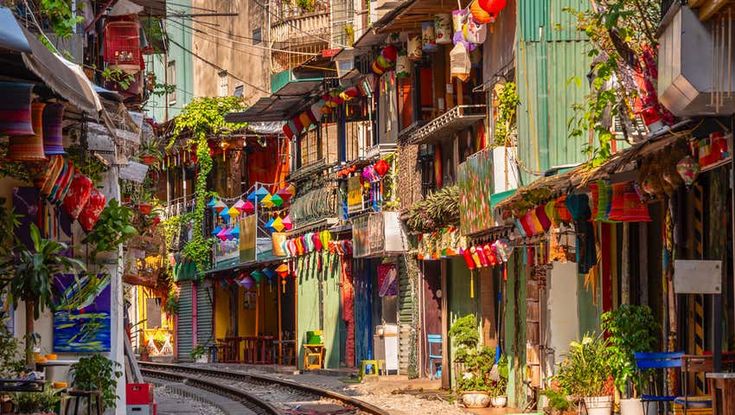
Train Street exemplifies how life goes on as usual in unusual environments. Homes are packed tightly together along the railway tracks, and people have learned to live in harmony with the passing trains. Though rules regarding access keep changing, safely viewing this sector allows an understanding of adaptability in Hanoi. It is a reminder of how human beings tend to adapt in their habitats.
Local Markets and Street Life- Sightseeing in Hanoi

Markets in Hanoi are very active and colorful. Visiting markets such as Dong Xuan Market offers you an idea of how people shop and interact with one another. Life on the streets is universal. People use sidewalks for eating, gathering, and napping. Viewing this cycle of life is absolutely the most authentic form of sightseeing in Hanoi.
Things to Do in Hanoi
Hanoi isn’t just a city you see, it’s one you experience. Pull up a tiny plastic stool at a street-side pho shop at 7am and watch the neighbourhood come alive around you. Take a cooking class and learn how locals balance fresh herbs, broth, and heat in ways that no recipe fully captures. Catch a water puppet show in the evening, which sounds touristy but is genuinely fascinating once you’re sitting in front of it. Ride a bicycle through the French Quarter, explore the night market on weekends, or simply sit at a bia hoi corner with a cold glass of draft beer and let the city move around you. If you can, take a day trip to the Perfume Pagoda or plan an overnight in Ha Long Bay. However you spend your time, Hanoi has a way of making even the unplanned moments feel memorable.
Food as Part of Sightseeing in Hanoi
Cuisine is an integral part of the Hanoi tourist experience, allowing one to immediately and profoundly connect to the culture of Hanoi. When dining at street vendors, it is more than a matter of hunger satisfaction, as this experience introduces one to Hanoi as locals live it.
Dishes such as pho, bun cha, and egg coffee may appear easy, but their traditions are rich in meaning and history in their own right. These are humble dishes, eaten deliberately, without rushing through them. Eating in contemplative silence, while taking in the view, is a subtle harmony added to your passage through this place. Motorcycles go by, hawkers cry out, and conversations meander by your side.
Every dining experience is a moment of suspension, where one gets a chance to reflect.
Day Trips from Hanoi
Not only is Hanoi an interesting city to discover, but also its proximity to many interesting destinations makes it an ideal base for short trips out. Indeed, because of its location at the heart of Vietnam’s north, there is no need for visitors to linger too long in this interesting city if they want to discover the surrounding nature: many destinations offer an excellent contrast to the bustle of city streets. These destinations include Ninh Binh and Ha Long Bay.
Ninh Binh boasts serene landscapes in terms of countryside scenery, limestone ranges, and tranquil rivers. The countryside tour by boat in this province brings you closer to nature but at a slower pace. In contrast, Ha Long Bay boasts dramatic surroundings in terms of green waters and grand rock formations. The tour in this destination is quite serene and breathtaking in character.
Such day-trip excursions make for an insightful respite from city living and can help you to appreciate the value of Hanoi’s position. They demonstrate how the city is an overlapping point for culture, history, and nature in North Vietnam.
Best Time to visit Hanoi
Spring and autumn are the best times to visit Hanoi. From February to April, the weather is warm and comfortable, with a little drizzle here and there that makes the old streets feel even more charming. October and November are just as nice, with cool air and beautiful afternoon light.
Try to avoid June, July, and August if you can. It gets very hot and humid, and the rain can be heavy and unpredictable. December and January are cooler than most people expect, so bring a light jacket if you’re visiting in winter.
That said, Hanoi is worth visiting any time of year. But if you want the most comfortable experience, spring and autumn are your best bet.
Final Thoughts: Understanding Hanoi Beyond Attractions
Sightseeing in Hanoi is not the number of places you get to see. Sightseeing is the depth of your experience. Hanoi will teach you the virtue of slowing down and appreciating. As you move through its streets, settle into its lakes, and share its space with its citizens, the city, in time, becomes familiar. Hanoi lingers in the soul, not in the way that any particular iconic destination lingers, but in the way that it inspires one to feel: serene, inquisitive, and quietly, in some small way, connected.


Leave a Reply