
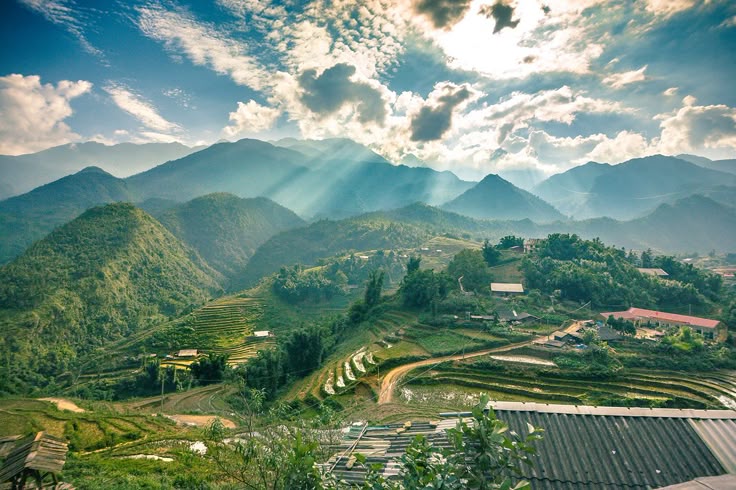
Sightseeing in Sapa: Where Mountains, Mist, and Simple Life Meet
Sightseeing in Sapa is a complete blend of mountains, clouds, green valleys and rich local culture. It is a world apart from the bustle of urban Vietnam. Exploring Sapa is a slow process, a peaceful experience deeply intertwined with Mother Nature. Sapa is a destination where you can wake up to foggy mornings, trek through villages in pitch darkness, and feel a moral connection with every step.
Sapa is situated in the north of Vietnam, near the Chinese border, and is famous for its cool climate, rice terraces, and unique culture. There are tribes in Sapa who have lived in the highlands for many generations. Sapa is more than just the sights to see, it is more about experiencing an uncomplicated lifestyle that exists in the hills.
First Impressions of Sapa
The initial impression of Sapa can be influenced by the climate. There are mists floating over the hills, and the temperature feels fresh and cool. Sapa town is quiet and small, and the sight of the hills emerges between the buildings. The pace of Sapa looks slower compared to other cities like Hanoi or Ho Chi Minh. As you walk around, you can appreciate how nature is ever-present in your surroundings. There are mountains in the distance, clouds slowly moving, and sounds from traffic replaced by the sound of the wind and people in the distance. Serenity fills the atmosphere, setting the stage for a visit to see the sights in Sapa.
The Beauty of Sapa’s Mountain Landscapes
The mountains are undoubtedly Sapa’s greatest feature. The landscape feels wide and open, giving you space to breathe and think. Rolling hills, deep valleys, and layered mountains stretch as far as the eye can see. Sightseeing here is often a matter of standing and looking. The light changes, clouds move, and it is quiet, so every moment is different. These natural views create such an emotional link by just showing how powerful and calming nature can be.
Terraced Rice Fields: Nature and Hard Work Together

Sapa’s terraced fields of rice are among the most beautiful landscapes in all of Vietnam. These fields have been crafted into the sides of the mountains, an example of working with nature, not against it. While trekking along the path that borders the rice fields, you can observe farmers tending to their crops slowly. Every rice field is a story about hard work, tradition, and reverence for nature. Somehow, sightseeing in this place feels meaningful, as it portrays how nature relates to mankind in a real manner.
Visiting Local Villages Around Sapa
Visits to villages around Sapa are among the most special and interesting experiences in Sapa tourism. In the villages, there live ethnic minorities, Hmong and Dao people. There is a very simple and quiet life there in touch with nature. While walking through the villages, you get to see wooden homes, children playing, and people carrying out their day-to-day work without any rush. The villagers greet visitors warmly with smiles on their faces. These are some of the experiences that can give you a glimpse of what Sapa is all about, beyond its scenery.
Trekking in Sapa: Walking Through Stories

Sapa Trek offers a way to explore Sapa via trekking. However, this doesn’t feel rushed and tough. You will walk through rice fields, forests, and villages, and this gives you the chance to experience Sapa. Each step is an adventure itself. Each walk gives you something new. Something different. The view changes, and you have a moment for a conversation, or maybe a view. The Trek is all about being there.
Sapa Town and Daily Life
Sapa town itself is quite small but vibrant in its own quiet way. There are coffee shops, small stores, and markets lining the streets, coexisting seamlessly with locals and tourists in an informal ambience. While walking through the town, the activities include sitting at a café, watching the movement of clouds, and also enjoying the cool climate. Such activities can be incorporated into sightseeing.
Local Markets and Cultural Experience
The Sapa markets showcase the daily lives of the people. The citizens gather here to sell fruits, homemade products, and traditional clothes. Passing through the market, friendly voices are heard, and activities of daily living are witnessed. Touring through this place seems real and earthy. This shows how culture is sustained by activities of daily living.
Food in Sapa: Warm and Simple
Sapa has cuisines that are not that sophisticated, particularly in the cooler climes of this place. Imagine warm foods, fresh veggies, and locally made meals. Moreover, eating in Sapa may also be leisurely. Dine indoors when fog is around Sapa; eating can be comfortable. Meals may serve as a means for people to rest after exploring nature.
Fansipan: The Roof of Indochina
Another attraction at Sin Ew Hill resort is the Fansipan Mountain, referred to as the highest point within the region of Indochina. A visit to the region enables the guest to enjoy a broad view Regardless of whether one gets there by cable car or hiking, being around the top of the hill feels like a very special experience. Being around the clouds, the wind, and the quiet makes for an experience that lingers long after one leaves the site.
Best Time For Sightseeing in Sapa

The best time to visit Sapa is from March to May and September to November. During these months, the weather is pleasant, and the landscapes are at their most beautiful. Each season offers a different experience, making Sapa interesting throughout the year.
Emotional Experience of Sightseeing in Sapa
“Sapa is quiet, moving, and beautiful,” is the way many visitors describe the town. It is the perfect place to unwind. Visiting Sapa is a time for reflections. One feels tranquil, in the moment, and even linked with something larger than mere activities. Such feelings personalize and give meaning to the visit.
Sightseeing in Sapa as Part of a Vietnam Journey
Sapa has its own importance, as it allows visitors to experience an aspect of the country that seems untouched and has its roots deeply rooted in its traditions. When one has experienced the hustle and bustle of cities like Ho Chi Minh or Hanoi, coming to Sapa feels like entering a new country. There is no noise; it becomes cooler, and people live in a relaxed rhythm. Sapa is an important addition to the Vietnam trip. It helps create a balance among the activities included within the trip. Sapa enables visitors to slow down and breathe, allowing them to get back in touch with nature. Mountains, paddy fields, and rural areas provide a great contrast to Vietnam’s cities and help experience the diversity of the nation.
Sapa also adds cultural facets to this journey. Interacting with local people, observing their day-to-day life, or a walk through their villages helps in understanding the culture, which has been maintained through generations. This makes a trip to Vietnam an enlightening experience.
Final Thoughts Of Sightseeing in Sapa
Sapa is not a place that leaves you in a hurry. It stays with you through quiet memories of beautiful mountains, emerald rice fields, and leisurely walks on narrow paths. Sometimes it happens that this calmness of Sapa turns up even at home after coming back during quiet moments. The beauty of Sapa is that sightseeing here teaches you the importance of slowing down. And that reminds you that beauty can be quiet. Sometimes, the most powerful experiences in life come from nature, from banal conversations, and from peace. What is really special about Sapa, though, is its power to connect people with the land and with their own selves. The mountains , the villages , soothes the mind. On a journey to Vietnam, Sapa offers more than views but a sense of understanding, balance, and emotional connection.
That is why Sapa remains unforgettable even after the journey is over. Vietnam is not just about sightseeing, it is also about adventure, like Cable Car rides , Water Parks the the most famous Halong Bay Cruise.


Leave a Reply